



Botswana is one of Africa’s most remarkable safari destinations, known for its untouched wilderness, spectacular landscapes, and incredible wildlife. From the waterways of the Okavango Delta to the elephant-rich plains of Chobe National Park, Botswana offers a unique safari experience for travelers looking for nature, adventure, and tranquility.
Unlike many busy tourist destinations, Botswana focuses heavily on low-impact and sustainable tourism. This makes it possible to experience Africa’s wildlife in a peaceful and relatively untouched environment.
Why Visit Botswana?
Botswana is an excellent destination for both first-time safari travelers and experienced wildlife enthusiasts.
- Exceptional wildlife viewing
- The spectacular Okavango Delta
- Large elephant populations
- Remote safari camps
- Beautiful sunsets and landscapes
- Walking and water-based safaris
- Excellent opportunities for photography
- Low-density safari experiences
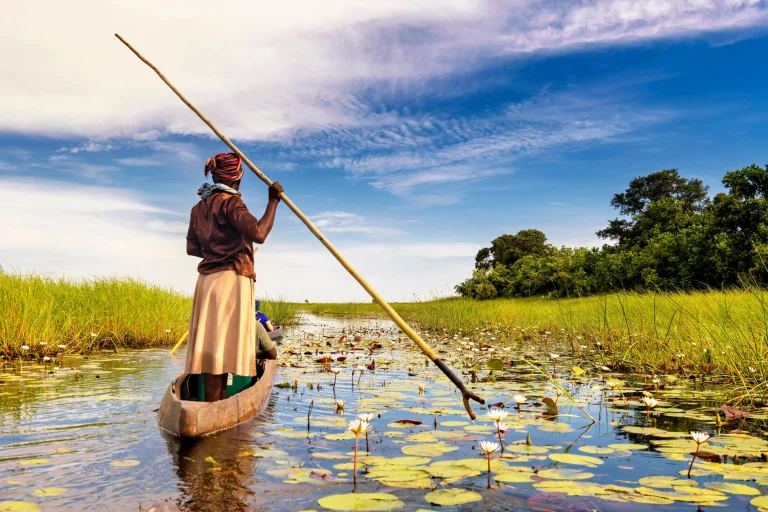
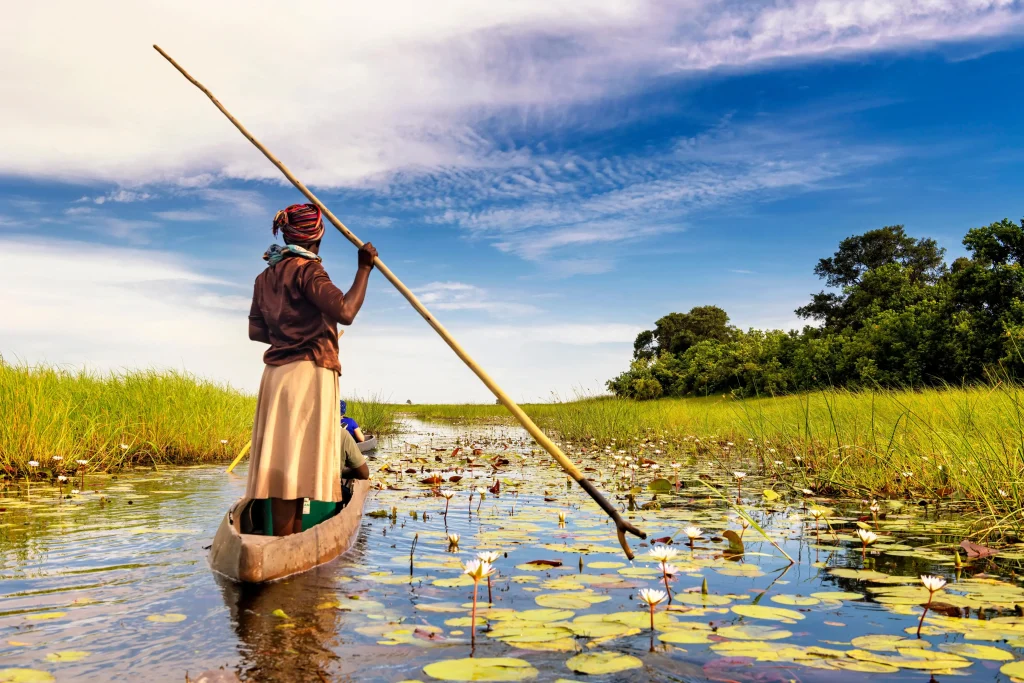
The Okavango Delta is one of Botswana’s most famous attractions. Unlike most rivers, the Okavango does not flow into the sea. Instead, its waters spread across the Kalahari Desert, creating a remarkable network of lagoons, channels, islands, and wetlands.
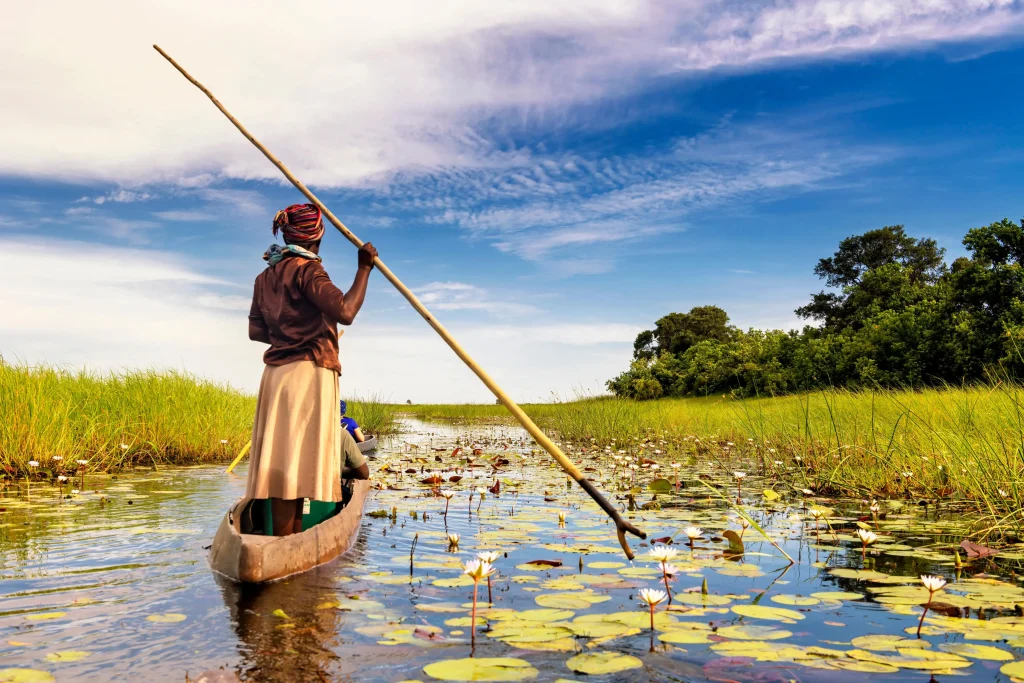
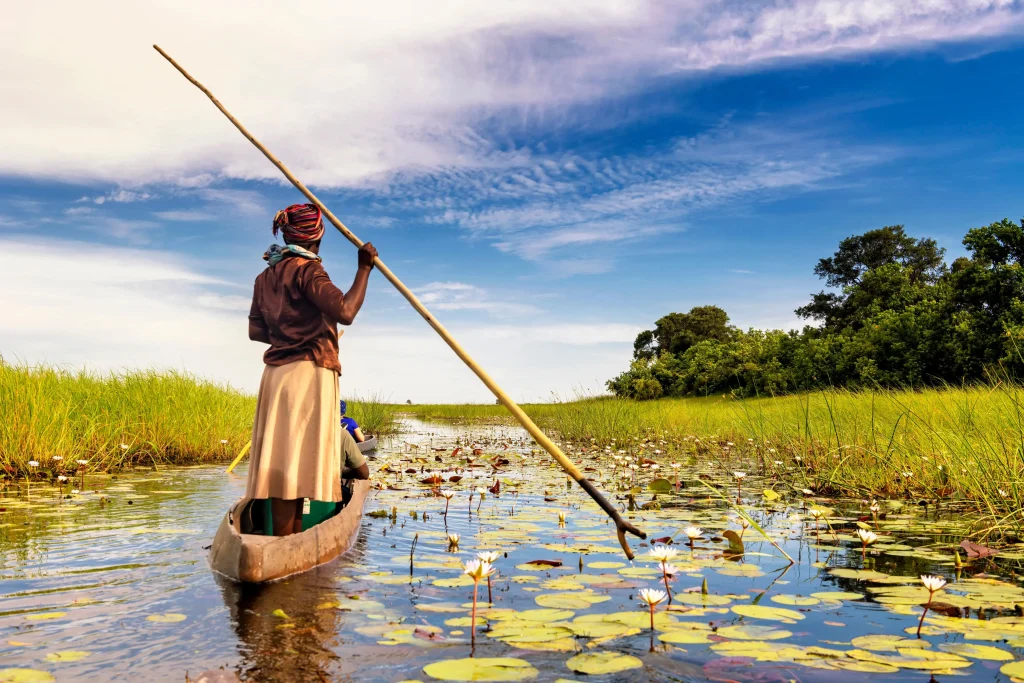
One of the best ways to experience the Delta is by taking a traditional mokoro ride. These narrow dugout-style boats allow visitors to move quietly through the waterways while observing birds, hippos, elephants, and other wildlife.
Wildlife in the Okavango Delta
Depending on the season and location, visitors may encounter:
- Elephants
- Hippos
- Lions
- Leopards
- Buffalo
- Giraffes
- Zebras
- Wild dogs
- Crocodiles
- Numerous bird species
The combination of water, wildlife, and dramatic landscapes makes the Okavango Delta one of the highlights of a Botswana safari.
Discover Chobe National Park
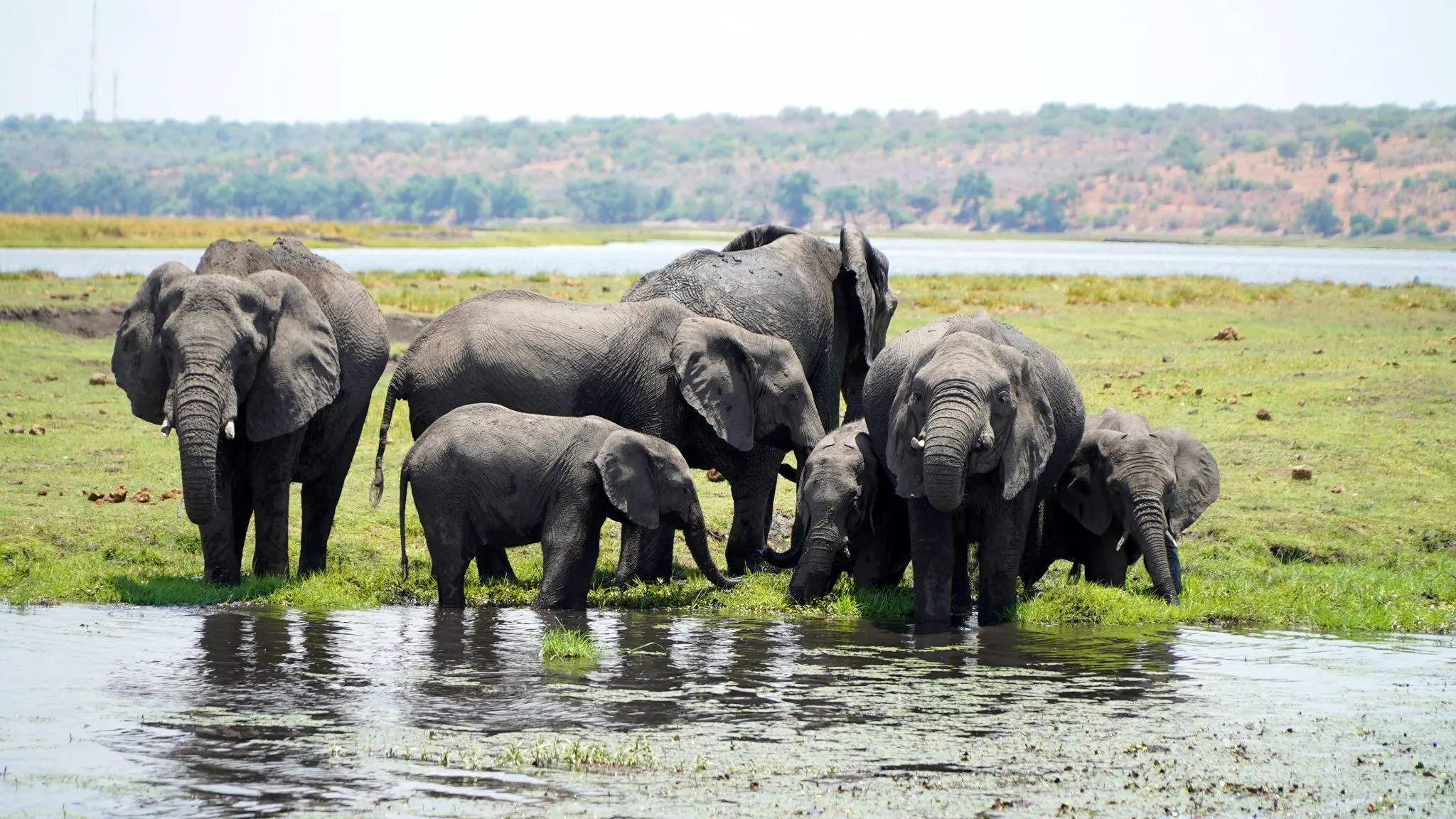
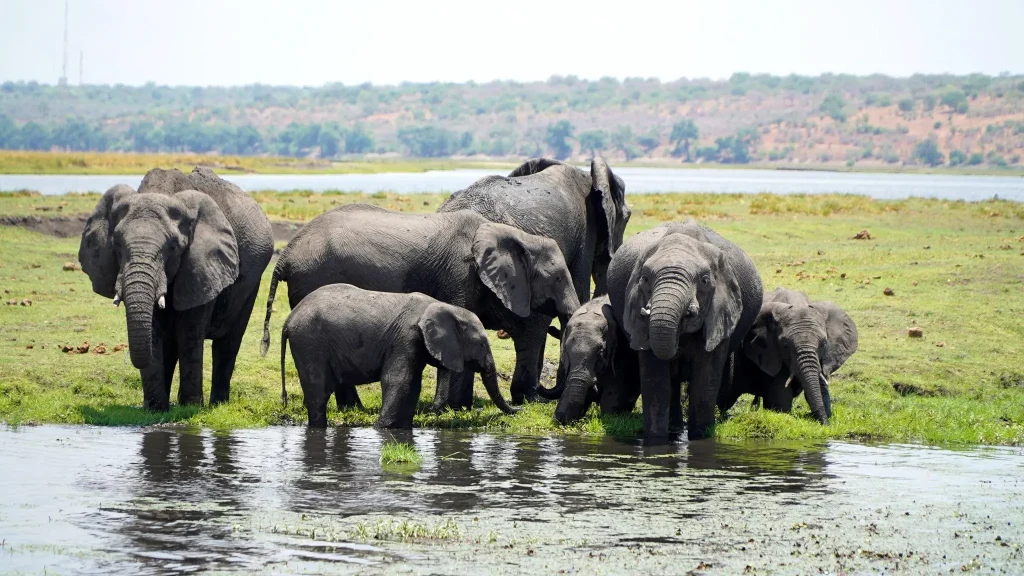
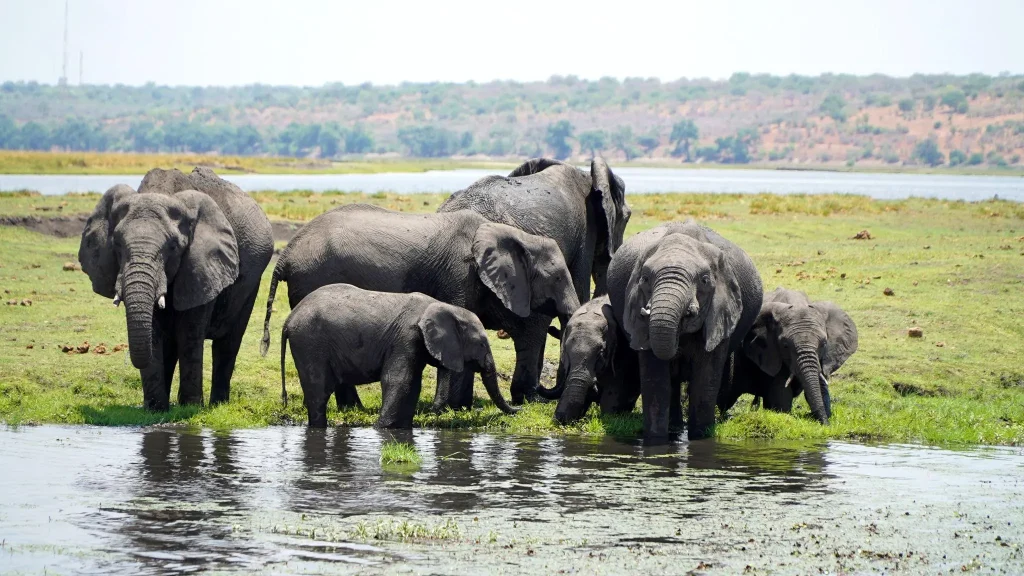
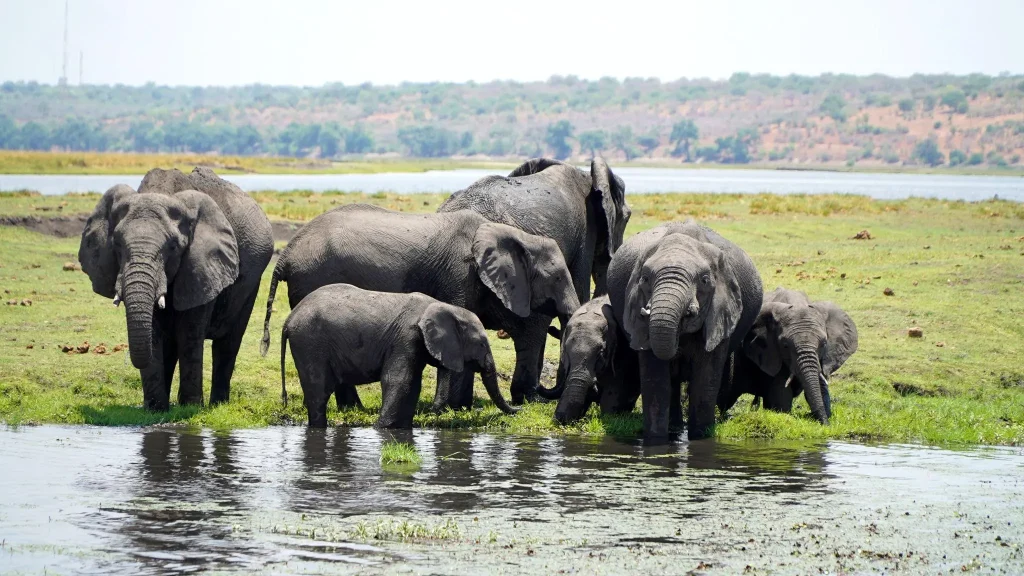
Located in northern Botswana, Chobe National Park is particularly famous for its large elephant population.
A boat safari along the Chobe River offers a completely different perspective compared with a traditional game drive. Elephants often come to the water to drink and bathe, while hippos and crocodiles can be seen along the riverbanks.
A late-afternoon boat cruise is especially memorable because the African sunset creates beautiful photographic opportunities.
Visit Moremi Game Reserve
Moremi Game Reserve combines wetlands, forests, grasslands, and waterways, creating an ideal environment for a wide variety of wildlife.
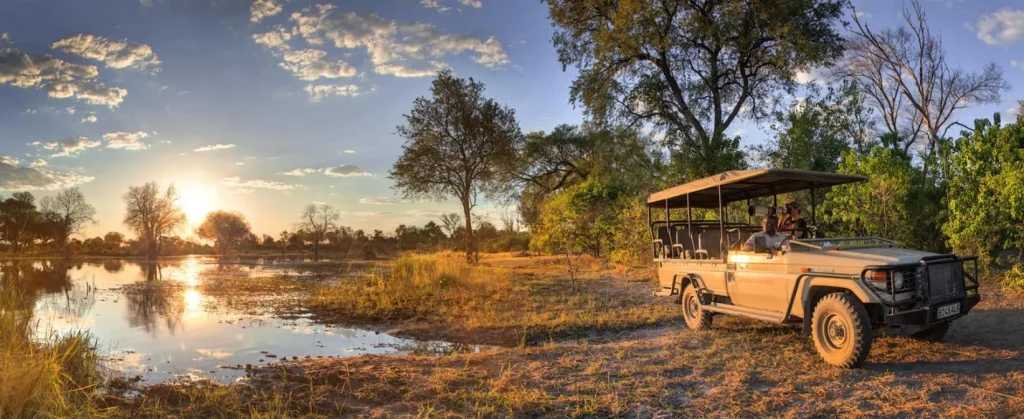
Game drives can provide opportunities to see predators such as lions and leopards, while the surrounding wetlands attract numerous bird species.
For photographers, Moremi is particularly attractive because the changing landscapes provide opportunities for both wildlife and landscape photography.
Experience the Makgadikgadi Pans
For something completely different, travel to the Makgadikgadi Pans.
These enormous salt flats create an otherworldly landscape that looks dramatically different from the wetlands of the Okavango Delta.
Depending on the season, visitors may experience wildlife gatherings, birdlife, dramatic skies, and spectacular sunsets.
The area is also known for unique experiences such as meerkat encounters.
Best Time to Visit Botswana
Botswana can be visited throughout the year, but the experience changes significantly depending on the season.
| Season | What to Expect |
|---|---|
| May – June | Cooler temperatures and increasing wildlife activity |
| July – October | Excellent safari and wildlife viewing |
| November – March | Green landscapes, birds and seasonal rains |
| April | Transition period with changing landscapes |
The best time depends on what you want to experience.
For traditional wildlife viewing, the dry months are often preferred because animals tend to gather around available water sources.
What to Pack for a Botswana Safari
Before traveling, consider packing:
- Lightweight neutral-colored clothing
- Comfortable walking shoes
- Hat and sunglasses
- Sunscreen
- Insect repellent
- Binoculars
- Camera and extra memory cards
- Power bank
- Reusable water bottle
- Light jacket for cool mornings and evenings
Avoid very bright clothing during wildlife activities and choose comfortable, breathable materials.